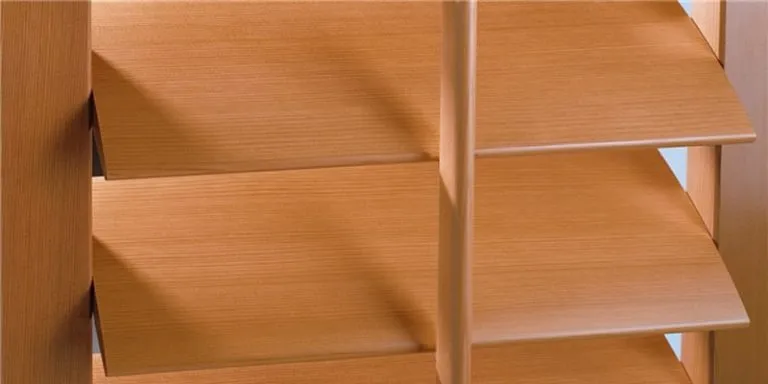
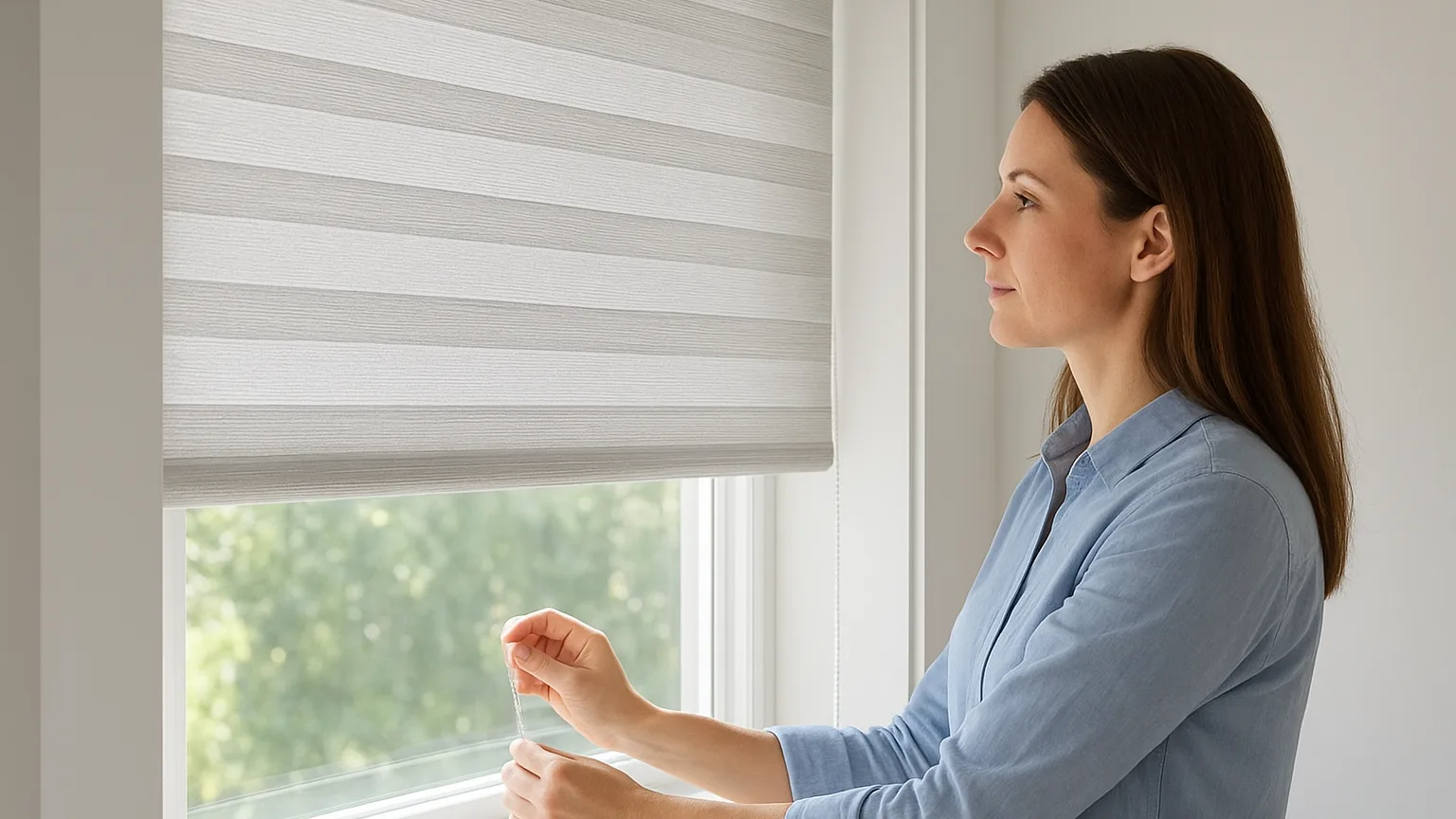
Wood, PVC, or composite? This room-by-room shutter guide breaks down louver sizes and moisture needs for kitchens, baths, and living rooms.
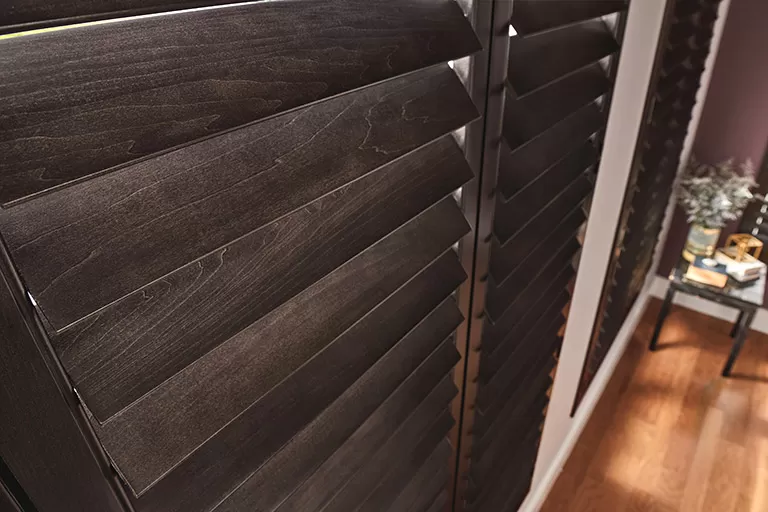
Not every shutter belongs in every room. A gorgeous wood shutter that looks stunning in a living room can warp and swell in a steamy bathroom within a year. A budget PVC shutter that survives kitchen grease and splashes just fine might look a little plain in a formal dining space. The truth is, picking plantation shutters isn't a one-size-fits-all decision, it's a room-by-room decision.
Most homeowners walk into a shutter showroom thinking about color and style first. Material, louver size, and moisture resistance usually get overlooked until something goes wrong, like a shutter that sticks after a hot shower or panels that discolor near a sunny window. If you're still weighing shutters against softer treatments, our guide to Shutters vs Blinds: What Actually Fits Your Home breaks down that decision before you even get to the room-by-room details.
This guide walks through the three main shutter materials, the louver sizes that actually matter, and which combinations work best in kitchens, bathrooms, and living rooms. By the end, you'll know exactly what to ask for when you start shopping.
Every plantation shutter on the market is built from one of three base materials. Each one has a personality of its own, and knowing the difference upfront will save you from a costly mismatch later.
If you want a deeper breakdown of how these materials perform over the long haul, our article on the best material for plantation shutters covers durability testing and cost comparisons in more detail.
Think of wood as the material for rooms that stay dry and temperature-stable, PVC as the material for rooms that see steam or splashes, and composite as the safe middle choice when you're not sure which category a room falls into.
Louver size changes both the look and the function of a shutter, and it's one of the most overlooked details in the buying process. Bigger louvers aren't automatically better, and smaller louvers aren't automatically more traditional. It depends on the window and the room.
Larger louvers create a cleaner sightline because there are fewer horizontal lines across the window. That's why designers often push toward 3.5 or 4.5 inch louvers in living rooms and great rooms, where the shutters double as a design feature rather than just a privacy tool. Smaller louvers in a bathroom or kitchen nook, on the other hand, tend to disappear into the space and let the room's other finishes take center stage.
Mounting style is another decision that shifts room to room. Inside mounts sit flush within the window frame and give a tailored, built-in look, which is why they're the go-to choice for kitchens and living rooms with deep enough frames. Outside mounts sit on the wall surrounding the window and work better when a frame is too shallow, or when a homeowner wants the shutter to appear larger and cover more wall space, which is common in bathrooms with smaller windows or awkward trim.
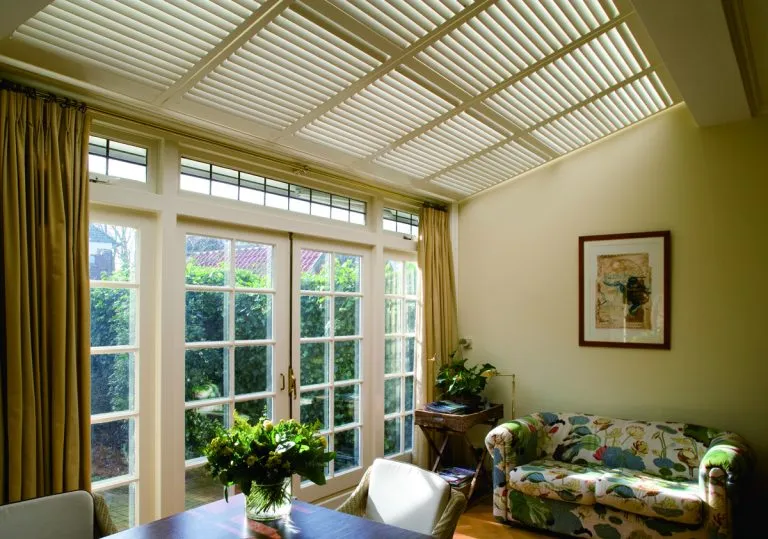
Kitchens and bathrooms are the two rooms where material choice matters most, because both deal with moisture, heat, and daily wear in ways a bedroom or office never will.
A kitchen window sees a lot in one day. Steam from boiling pots, grease from the stove, splashes from the sink, and constant temperature swings from the oven all take a toll on window treatments. That's why PVC or composite shutters are almost always the smarter pick over solid wood in this room.
If you're weighing shutters against other kitchen window options, our piece on what kind of blinds work best for kitchens is a helpful side-by-side. And if the kitchen window sits near your cabinetry, you might enjoy the ideas in our guide on brightening kitchens with shutters and smart cabinet design.
Bathrooms are the harshest environment in the house for window treatments, thanks to daily humidity spikes from showers and baths. Solid wood is almost never the right call here, no matter how nice it looks in the showroom. Moisture gets trapped in wood fibers over time and leads to swelling, warping, and eventually cracked paint or stain.
A well-chosen bathroom shutter should need nothing more than an occasional wipe-down to stay looking new for years.
Away from steam and splashes, living rooms and bedrooms are where solid wood shutters truly earn their price tag. These rooms usually have stable humidity and moderate sun exposure, which is exactly the environment wood handles best. The natural grain, the way it takes stain, and the overall craftsmanship make wood shutters feel like a piece of furniture rather than just a window covering.
That said, sun exposure still deserves attention. A living room window that gets hours of direct afternoon light can cause even quality wood to fade or, in extreme cases, bow slightly over time. If your living room windows face west or south, it's worth reading our notes on wood treatments and sun exposure before committing to solid wood panels. Composite is a smart backup in these sunnier rooms since it resists warping while still keeping a natural appearance.
Bedrooms have their own quiet requirements. Light control and a peaceful feel matter more than moisture resistance, so wood or composite both work well, and either can be paired with a tighter louver size for extra privacy. Our guide to bedroom window treatments has more ideas if you're furnishing the whole room around the window.
If you only remember one thing from this guide, remember this simple pairing system:
Every home is a little different, and factors like window size, sun direction, and local humidity can shift these recommendations slightly. A quick conversation with a shutter specialist can confirm the right pick for your exact windows before you place an order.
Some blogs / information pages are written by authorized members of our advertising team for marketing purposes only. Some content may not correctly depict product specifications and may vary depending on product. For more information, please call our sales office.
*Some blogs / information pages are written by authorized members of our advertising team for marketing purposes only. Some content may not correctly depict product specifications and may vary depending on product. For more information, please call our sales office.
"Great quality and value for money. Installers were on time, finished the install quickly, gave us instructions on how to use. Very satisfied."