Compare cost, light control, durability, and resale value of plantation shutters versus blinds, then match the right pick to every room.
Every window in your house has its own personality. The one in your kitchen fights grease and steam. The one in your bedroom needs to block a sunrise. The one in your living room has to look good enough for company. Pick the wrong covering and it shows fast, whether that means peeling vinyl, faded slats, or a light gap that ruins your Saturday morning sleep-in.
Shutters and blinds both promise privacy and light control, but they get there in very different ways and at very different price points. Homeowners often assume this is a style decision alone. It isn't. It's a decision about budget, climate, how long you plan to stay in the house, and what each room actually needs to function well.
This guide breaks down the real differences in cost, light control, durability, and resale value, then hands you a simple framework so you can match the right treatment to the right room without guessing.
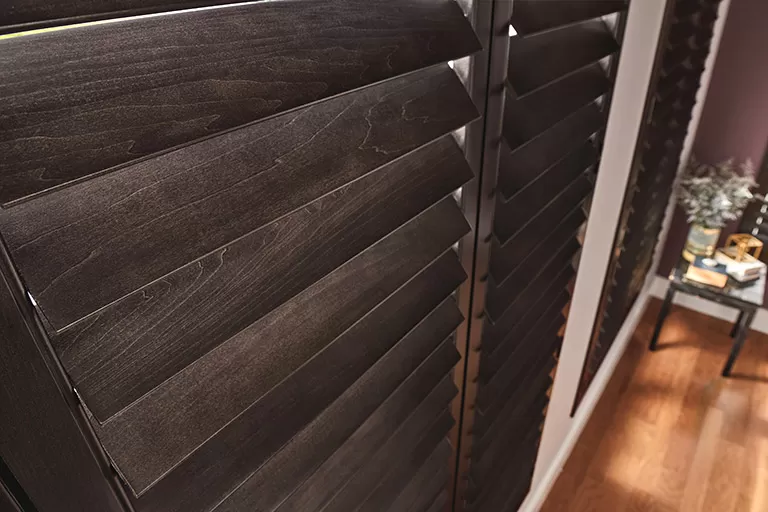
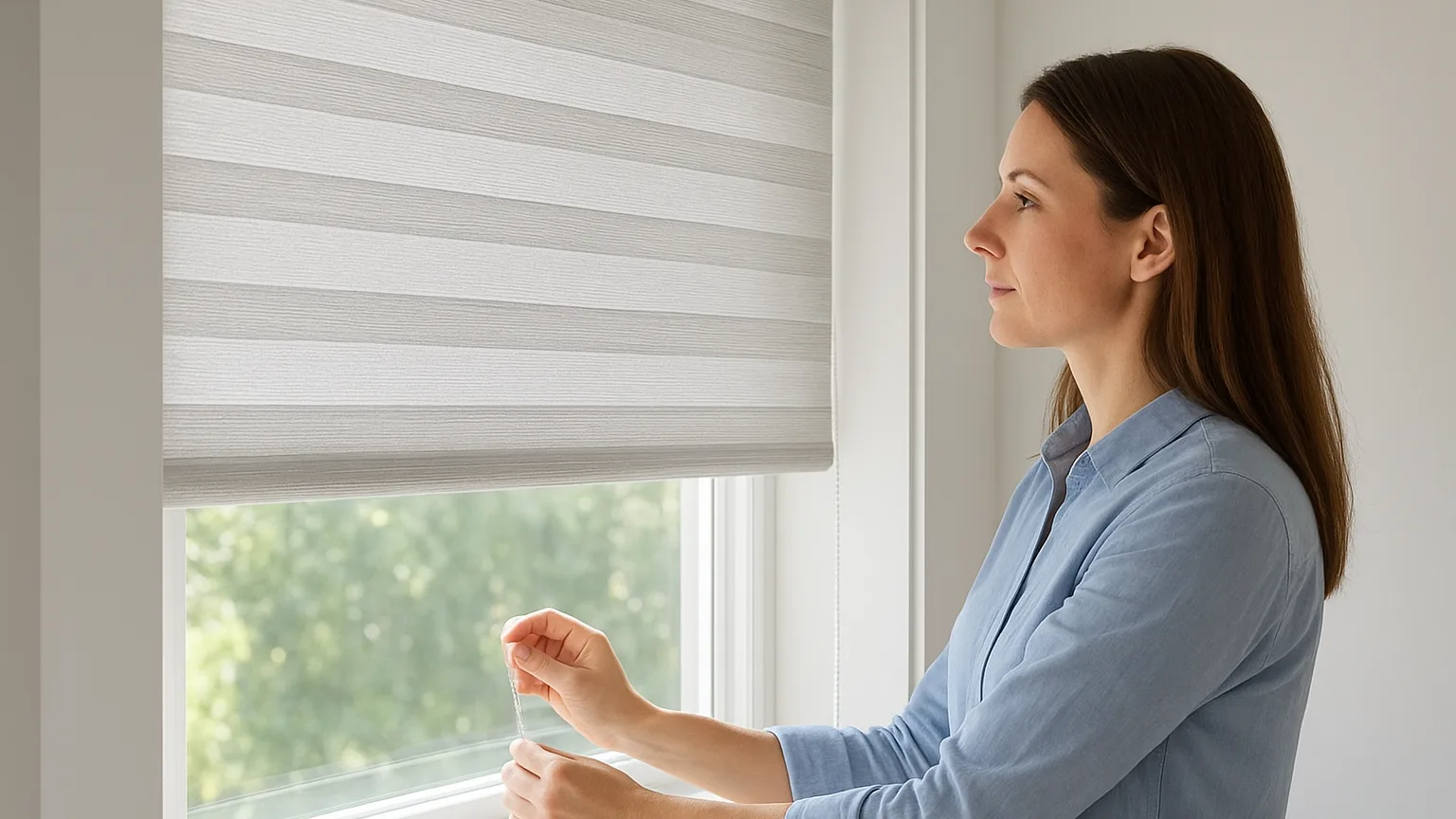
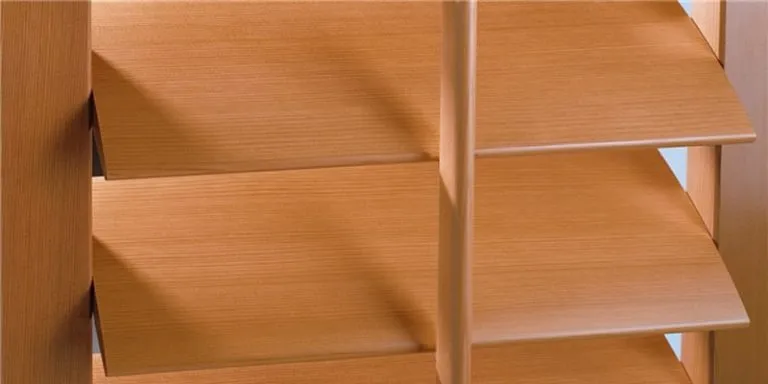
Plantation shutters are solid, hinged panels with wide louvers that attach directly to the window frame. They function almost like a permanent architectural feature rather than a hanging accessory. Blinds, on the other hand, are made of slats (wood, faux wood, aluminum, or vinyl) that hang from a headrail and tilt or raise using a cord, wand, or motor.
That structural difference explains almost every other difference on this list. Shutters are built into the window. Blinds sit in front of it. One approach favors permanence and resale appeal. The other favors flexibility and lower upfront cost.
"People come in thinking they want shutters because they saw them in a magazine," said Rapid Blinds design consultant Carla Jennings. "Then we talk about their budget and their timeline in the house, and sometimes blinds turn out to be the smarter call. It's never a one-size answer."
Cost is usually the first question, and it deserves an honest answer. Blinds cost less upfront in almost every case. Basic aluminum or vinyl blinds can run a fraction of the price of plantation shutters for the same window, and even higher-end faux wood blinds still typically land well below shutter pricing.
Plantation shutters carry a higher upfront investment because they're custom built and permanently installed. But that number tells only part of the story. Shutters rarely need replacing. Blinds, especially budget versions, often need swapping out within five to ten years due to sun damage, broken slats, or worn cords.
If you're weighing manual versus automated options, our breakdown on what Arizona homeowners actually pay over time is worth a look before you commit to either style.
This is where personal habits matter more than product specs. Shutters offer excellent light control because the panels close tightly and the louvers can be adjusted with precision. Many homeowners like that shutters feel more "finished" when fully closed, since there's no visible cord or gap along the edges.
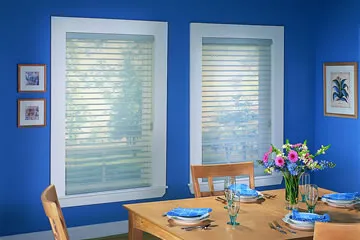
Blinds can match that level of control too, but the results vary more by material and quality. Cheaper aluminum blinds often leave small light gaps along the sides. Well-made wood or faux wood blinds close much tighter and can rival shutters for privacy.
For bedrooms specifically, light control isn't just about comfort, it affects sleep quality. If darkness matters most to you, our guide to real blackout blinds explains how to get true darkness regardless of which style you choose.
Durability is where the two products really separate themselves, especially in hot, sun-heavy climates. Plantation shutters, particularly those made from composite materials, resist warping, fading, and cracking far better than most blinds. They're built to handle direct sun for years without needing attention.
Wood blinds are more vulnerable. Intense heat and UV exposure can cause warping over time, which is a common complaint in sun-facing rooms. If you already have wood blinds and you're noticing bending or gaps, our article on preventing warping from sun exposure covers what's actually happening and how to slow it down.
Here's how the two generally hold up over five to ten years of regular use:
This is one area where shutters have a clear edge. Because they're considered a permanent fixture rather than a removable accessory, plantation shutters are often viewed by buyers and appraisers as a home upgrade rather than a decorating choice. Blinds, while attractive, are generally seen as replaceable and don't carry the same weight during a sale.
That said, the value boost isn't automatic. Quality matters. Cheap shutters that look dated won't do much for resale, while a well-chosen material can genuinely help a listing stand out. We go deeper into the numbers in our piece on whether plantation shutters add value to your home, which is a smart read if resale is part of your decision.
Instead of picking one style for the whole house, think room by room. Different spaces have different demands, and the right treatment changes depending on sun exposure, moisture, and how the room gets used.
If you're specifically outfitting a kitchen, our guide on which blinds work best in kitchens covers material choices in more detail, and pairs well with ideas from brightening a kitchen with shutters and smart cabinet design.
Budget doesn't just mean how much you spend today. It means how you weigh upfront cost against how long you plan to keep the treatment before replacing or upgrading it.
Color choice matters too, regardless of which style you pick. A treatment that clashes with your walls or trim can make even a high-quality product look wrong. Our guide on selecting blind colors walks through how to choose tones that actually complement your space. And if you're still torn between hard treatments and softer options entirely, it's worth reading drapes or blinds, which window treatment is best before making a final call.
For homeowners who've already decided shutters are the way to go, our guide to the best material for plantation shutters is a helpful next step, and our room-by-room walkthrough on Your Room-by-Room Roadmap to Picking the Perfect Shutter goes even further into matching materials and styles to specific spaces in your home.
"Great quality and value for money. Installers were on time, finished the install quickly, gave us instructions on how to use. Very satisfied."