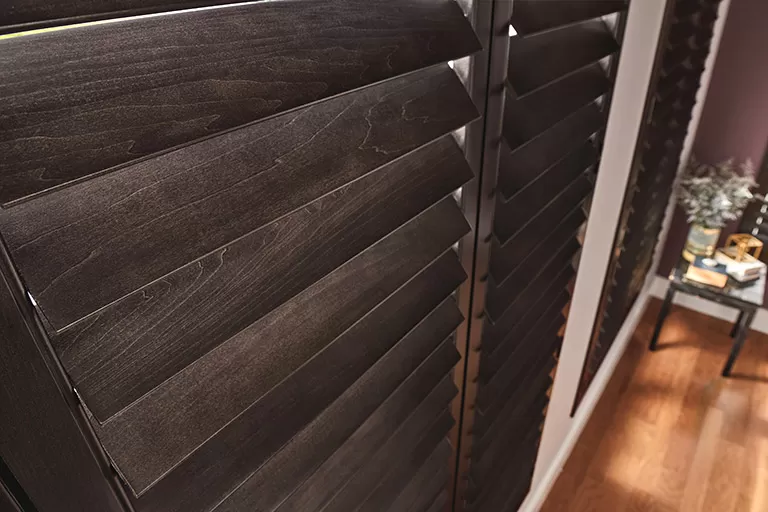
Find blackout blinds that block sun, cut heat, and let Arizona shift workers and babies sleep soundly, even when the desert sun is blazing outside.
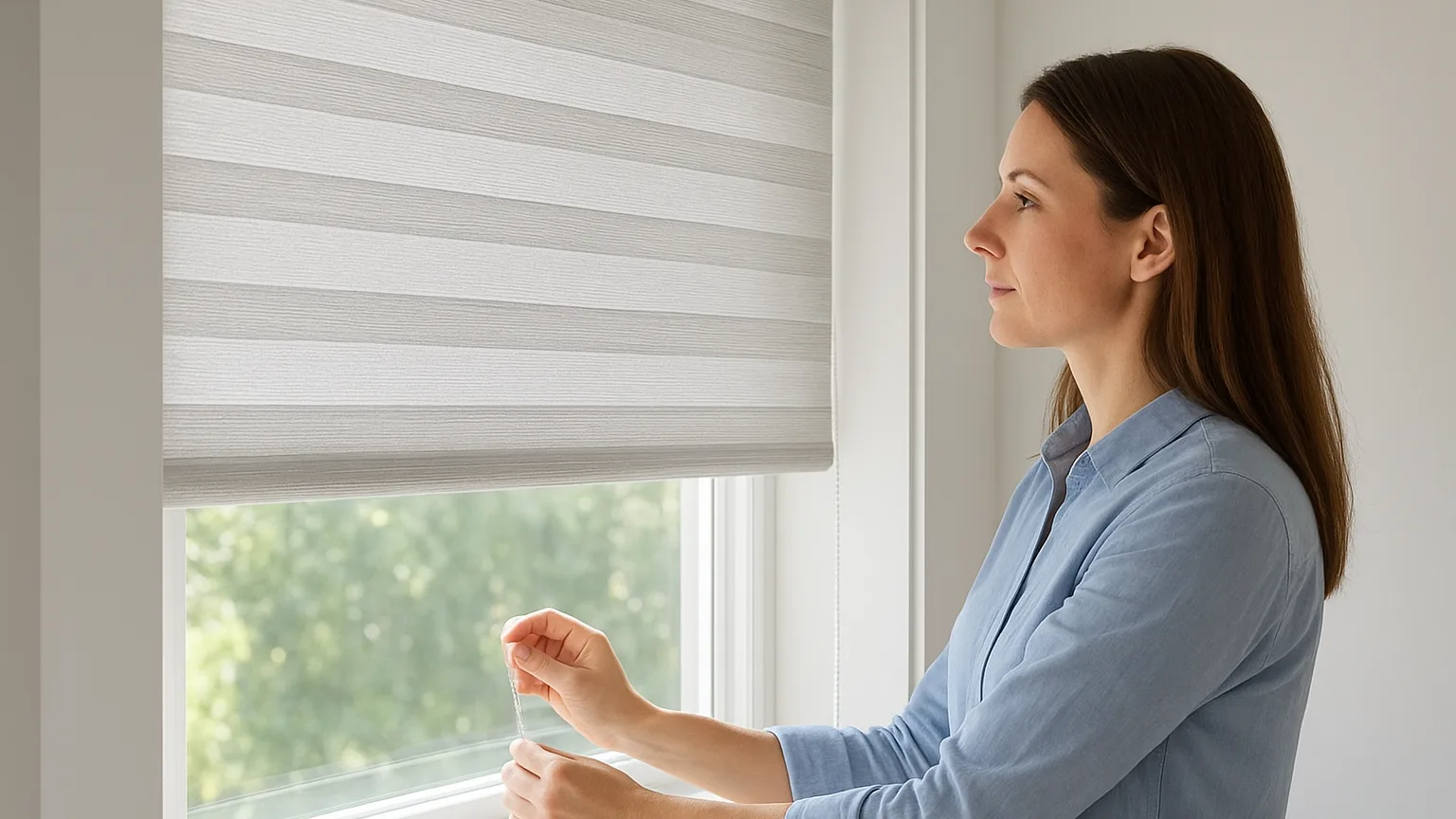
If you work nights in Phoenix, Tucson, or anywhere in between, you already know the struggle. The Arizona sun does not care that you just got off a twelve hour shift at three in the afternoon. It pours through every gap in your curtains like it has something to prove. The same goes for new parents trying to get a baby down for a nap when the light outside is bright enough to read a book by.
Regular blinds simply were not built for this. They dim a room, sure, but dimming is not the same as darkness. For shift workers and nurseries, the goal is total blackout combined with a room that stays cool and breathable, not stuffy and overheated. That combination is harder to find than most people expect, and it takes more than grabbing whatever is labeled "room darkening" at a big box store.
This guide breaks down what actually matters when choosing blackout blinds for daytime sleep in a desert climate, from light-blocking ratings to fabric choices that keep you cool instead of sweaty.
Not all blackout blinds are created equal, even when the packaging uses the same buzzwords. The industry measures how much light a fabric or material blocks, and the difference between products can be significant.
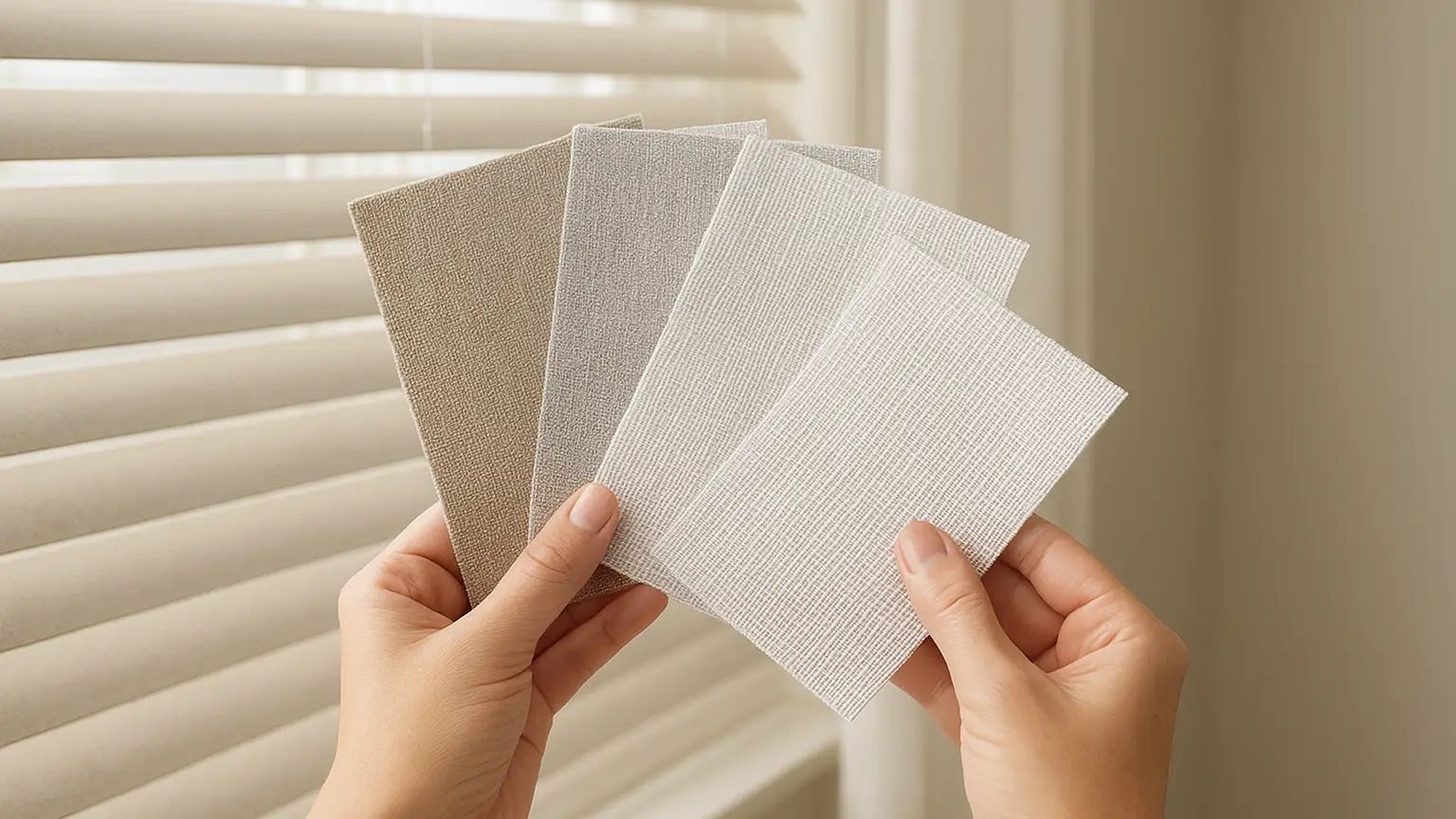
Most window treatment fabrics get sorted into categories based on light filtration:
The catch is that a fabric rated for true blackout only performs that way if the blind actually covers the entire window frame. Gaps along the sides and bottom are where most of the "why is it still bright in here" complaints come from.
A blackout fabric mounted on a blind that is too narrow for the window will still leak light around the edges. This is especially common in Arizona homes with deep-set windows or unusual frame sizes. Side channels, edge seals, or a slightly oversized blind with overlapping panels can close those gaps completely. If you are unsure whether your current blinds fit properly, it is worth having them measured again rather than assuming the fabric alone will do the job.
For bedrooms specifically, pairing the right fabric with the right mount style makes a bigger difference than most people realize, something covered in more detail in our guide on bedroom blinds built for stylish and functional sleep spaces.
Blocking light is only half the job. In a place where summer highs regularly clear 105 degrees, a west-facing window without proper blackout coverage can turn a nursery or bedroom into a greenhouse by early afternoon. That heat does not just make sleep uncomfortable, it can push a room's temperature high enough to be genuinely unsafe for an infant.
Many blackout blinds use a layered construction with a reflective or foam backing behind the outer fabric. That backing does two things at once. It blocks light from passing through, and it reflects radiant heat back toward the window instead of letting it soak into the room. Homes that struggle with hot upstairs bedrooms or nurseries often see a noticeable drop in room temperature after switching to a properly rated thermal blackout blind.
This is one of the reasons blackout blinds are frequently grouped with cooling window treatments in general. If heat control is your bigger concern alongside darkness, our breakdown of the top blinds to keep the heat out covers additional options worth comparing.
Babies regulate temperature far less efficiently than adults. A nursery that sits at a comfortable 72 degrees in the morning can climb into the low 80s by mid afternoon if sunlight is hitting the window directly, even with the air conditioning running. Blackout blinds with thermal backing reduce that swing considerably, which means the AC works less and the room stays more stable throughout the day.
A few practical notes worth keeping in mind:
It might seem like a nursery and a shift worker's bedroom need the exact same setup, but there are subtle differences worth considering.
Nurseries typically need blinds that are easy to operate quietly, since fumbling with a pull cord at nap time can wake a light sleeper instantly. Cordless or continuous loop systems tend to work better here, both for convenience and for child safety standards. Shift workers, on the other hand, often want a setup that can be adjusted quickly between full blackout during sleep hours and normal light during the evening when they are awake and active. For that kind of flexibility, some homeowners are finding it worth comparing automated options, and our article on Motorized or Manual Blinds? What Arizona Homeowners Actually Pay Over Time lays out whether the added convenience is worth the investment for a daytime sleep schedule.
Total darkness sounds great until the room feels sealed off and stuffy. The best blackout blinds for daytime sleep manage to block light completely while still allowing some airflow, or at least not trapping heat and humidity against the fabric.
Darker fabrics on the room-facing side can help with light absorption inside the room, while lighter or reflective colors on the outward-facing side reflect heat before it enters. Some blackout blinds are designed with this two-tone approach specifically for hot climates. If you are torn on which shade fits your space and your climate needs, the tips in our guide on selecting blind colors for stylish window treatments can help narrow things down without sacrificing performance.
A few small adjustments make a real difference in comfort without giving up darkness:
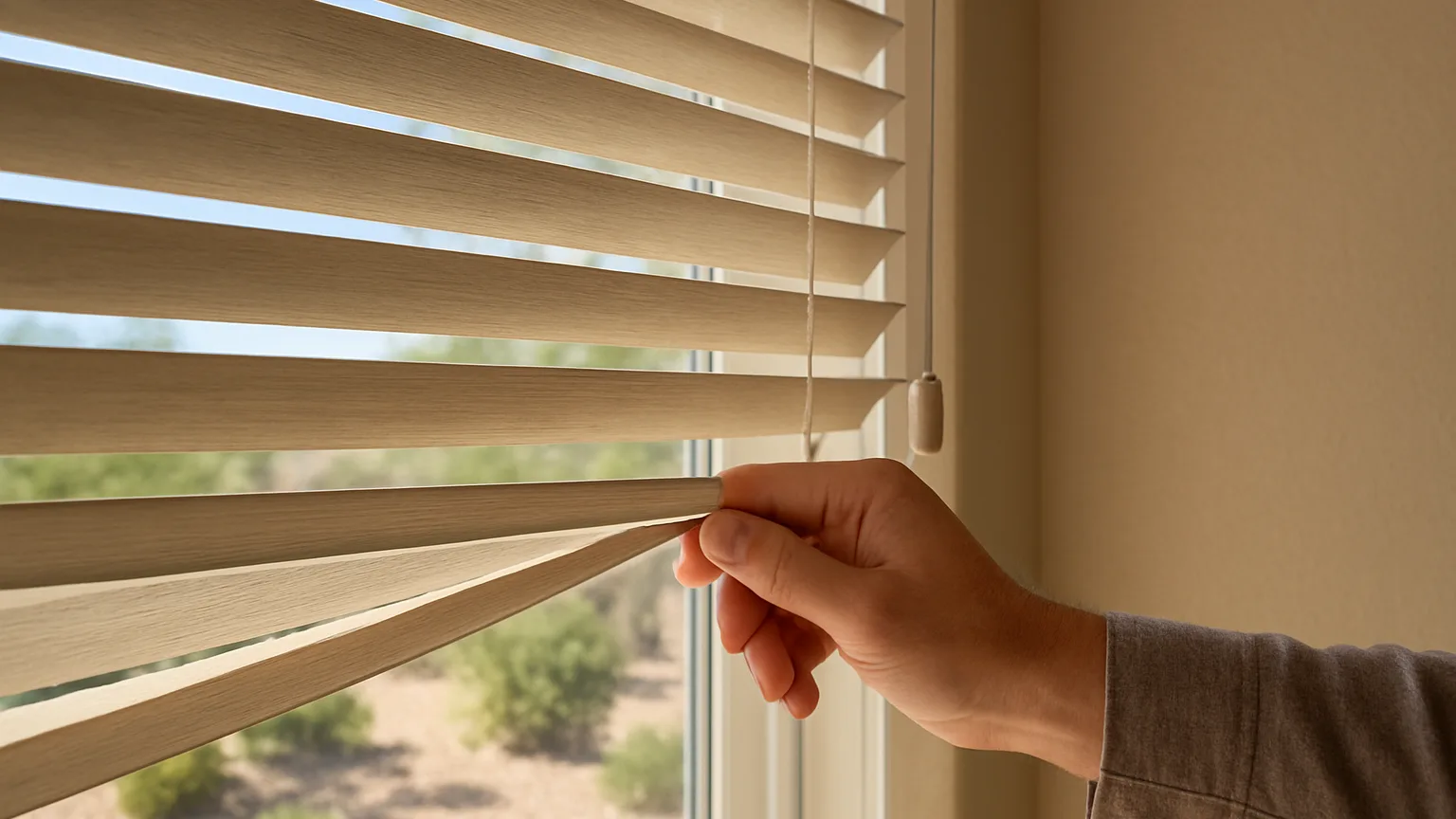
Wood blinds are a poor match for true blackout needs since even closed slats let in thin lines of light, and prolonged sun exposure can cause warping over time, something explained further in our piece on wood blinds and sun exposure. For rooms where total darkness is the priority, a dedicated blackout fabric will always outperform slatted materials.
Even the best-rated blackout fabric will underperform if it is installed incorrectly. This is one area where a little extra attention up front saves a lot of frustration later.
Outside mount blinds, where the blind extends beyond the window frame on all sides, generally offer better light blocking for true blackout purposes. They cover more surface area and reduce the gaps that let in light around the edges. Inside mount blinds look cleaner and more built-in, but unless the frame is deep enough and the fit is precise, they tend to leave a small halo of light along the sides, which defeats the purpose for a shift worker trying to sleep through a bright afternoon.
Getting these details right often comes down to accurate measuring and professional installation rather than a do-it-yourself guess. Homes with unusual window shapes or older frames benefit especially from a proper consultation before ordering.
Some households choose to pair blackout blinds with a secondary layer, such as heavier drapes, for an added buffer against both light and heat. This is more common in homes with especially intense afternoon sun exposure or in nurseries where parents want maximum insurance against light leaks. If you are weighing whether a single blackout blind is enough or whether layering makes sense for your space, our comparison of drapes versus blinds walks through the pros and cons of combining both.
For most Arizona bedrooms and nurseries, a well-fitted, properly rated blackout blind on its own is enough. Layering tends to matter most in rooms with unusually large windows, sliding glass doors, or west-facing exposure where the afternoon sun hits hardest.
*Some blogs / information pages are written by authorized members of our advertising team for marketing purposes only. Some content may not correctly depict product specifications and may vary depending on product. For more information, please call our sales office.
"Great quality and value for money. Installers were on time, finished the install quickly, gave us instructions on how to use. Very satisfied."