Compare motorized and manual blinds on cost, convenience, and energy savings for Arizona homes before you buy new window treatments.

Choosing between motorized and manual blinds feels like a small decision until you factor in Arizona's heat, your daily routine, and how long you plan to stay in your home. This breakdown looks at what each system actually costs, how much convenience you gain, and whether the energy savings hold up once summer temperatures hit triple digits.
There's no universal right answer here. A busy family in Scottsdale with floor to ceiling windows has very different needs than a retiree in Tucson who prefers simple, hands on control. What matters is understanding the real numbers and tradeoffs so you're not guessing.
Manual blinds are almost always cheaper to buy and install. A standard set of manual cellular shades or faux wood blinds for an average size window typically costs a fraction of what motorized versions run, mainly because you're not paying for motors, batteries, wiring, or remote hardware.
Motorized blinds carry a higher sticker price for a few reasons:
For a whole home project covering ten or more windows, the price gap between manual and motorized can be significant. Many Arizona homeowners choose a hybrid approach, motorizing hard to reach windows like those above kitchen sinks or in vaulted living rooms, and keeping manual controls in bedrooms and smaller spaces where a wand or cord is easy to use.
It helps to think of motorized blinds as paying for labor savings rather than a fancier fabric. You're not getting better material quality just because a shade is motorized. The added cost covers the mechanism and the convenience it delivers, not the window covering itself.

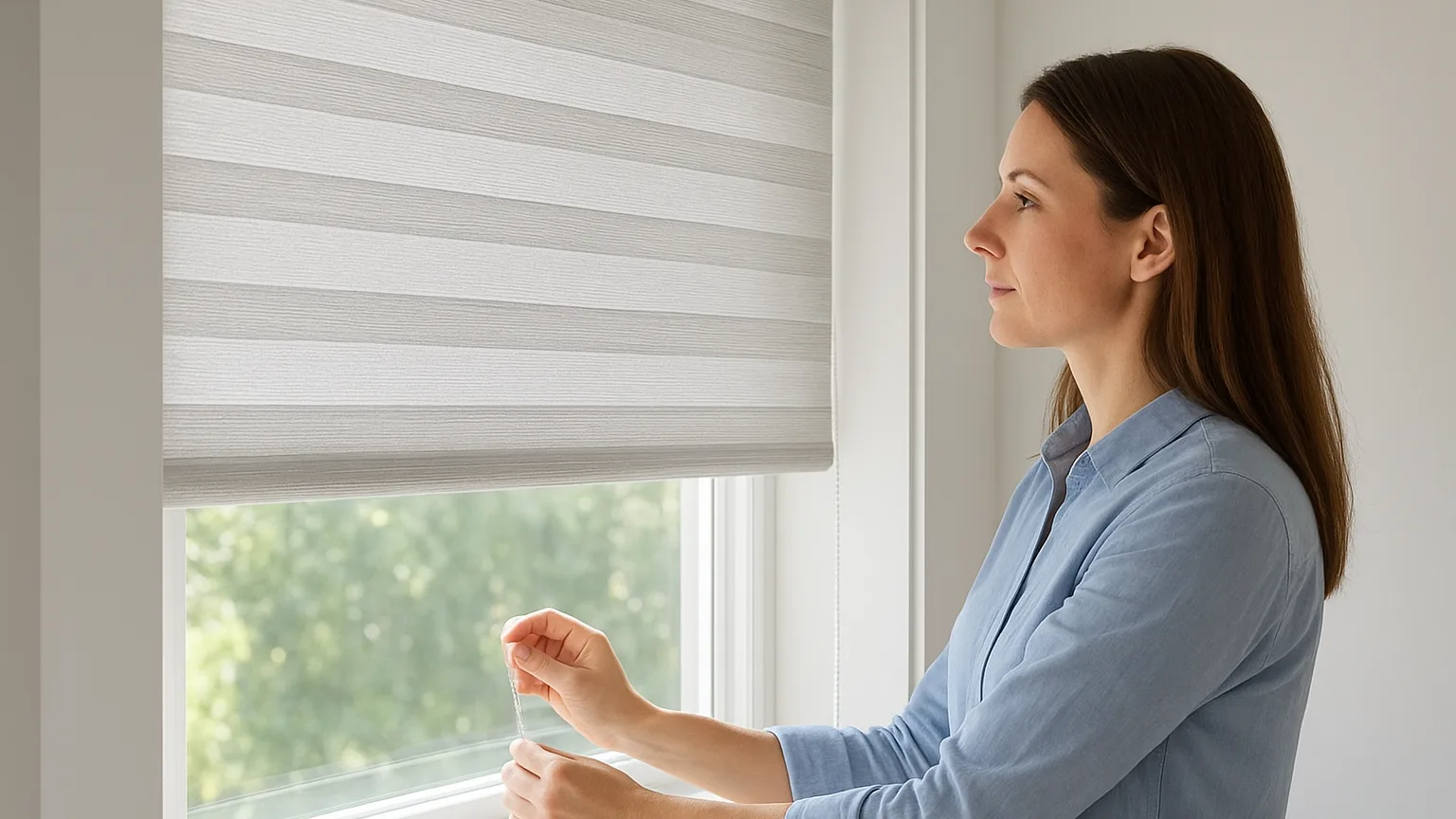
This is where motorized systems really separate themselves. Once blinds are connected to a smart hub, they can respond to schedules, sunlight sensors, or voice commands without you lifting a finger. For Arizona homes, this isn't just a novelty. It's a practical way to manage heat before it becomes a problem.
Common ways homeowners use motorized blinds day to day include:
Manual blinds don't offer any of this, but they're not without their own convenience. There's no app to update, no motor to replace, and no connectivity issues if your Wi-Fi goes down. For homeowners who like simplicity, a manual wand or cordless lift system on a well made shade is genuinely easy to live with.
Motorized blinds tend to make the biggest difference for households with tall or hard to reach windows, family members with mobility limitations, or anyone who travels often and wants blinds to look lived in while they're away. If you're weighing style options alongside function, our comparison of curtains versus blinds covers how automation fits into different window treatment types.
Manual blinds still win in one area that doesn't get talked about enough. They're instantly responsive. There's no lag between wanting more light and getting it. For rooms where you're adjusting blinds constantly throughout the day, like a home office or kitchen, some homeowners actually prefer the tactile control. If you're outfitting a kitchen specifically, this guide on the best blinds for kitchens gets into which styles hold up around heat, moisture, and constant hands on adjustment.

Both manual and motorized blinds can lower cooling costs when they're closed at the right times, but the word "right times" is the key difference between the two systems. Manual blinds only block heat when a person remembers to close them, and in a lot of households, that doesn't happen consistently during the hottest parts of the day.
Motorized blinds remove the human error factor. A scheduled close at 11am, before the sun climbs high enough to flood south and west facing rooms, can noticeably reduce how hard your air conditioner works through the afternoon. Over a full summer, that consistency adds up in ways a manually operated shade can't match unless someone is home and paying attention every single day.
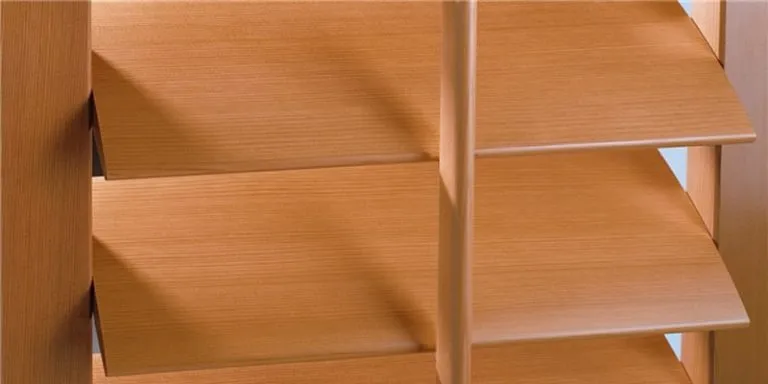
That said, the type of blind matters just as much as whether it's motorized. A well insulated cellular shade or a quality wood blind blocks heat effectively whether it's raised by hand or by motor. If you're deciding on materials for heat performance specifically, our breakdown of the top blinds for keeping heat out is worth a look before you commit to either system.
It's tempting to think motorization alone will solve heat problems, but a thin, poorly insulated shade that closes on schedule still lets heat radiate through the glass. Pairing automation with a solid material, like faux wood or a tightly woven cellular fabric, gives you the best of both worlds. Homeowners who want true darkness and heat control in bedrooms often look into how Sleep Like It's Midnight at Noon: An Arizona Guide to Real Blackout Blinds approaches light blocking, since the same principles apply to keeping rooms cool.
Energy savings from either system are real but modest on their own. Expect noticeable comfort improvements in the rooms where blinds are used consistently, rather than a dramatic drop in your entire utility bill. The bigger win is comfort, fewer hot spots near windows, and less strain on your HVAC system during peak afternoon hours.
Manual blinds are mechanically simple, which means there's less that can break. A cord might fray or a wand might loosen over years of use, but repairs are usually straightforward and inexpensive. Most manual systems last well over a decade with basic care.
Motorized systems introduce a few more moving parts that need attention over time:
None of this makes motorized blinds unreliable, but it does mean there's a small ongoing relationship with the technology that manual blinds simply don't require. If reliability with minimal upkeep is your top priority, that's worth weighing heavily.
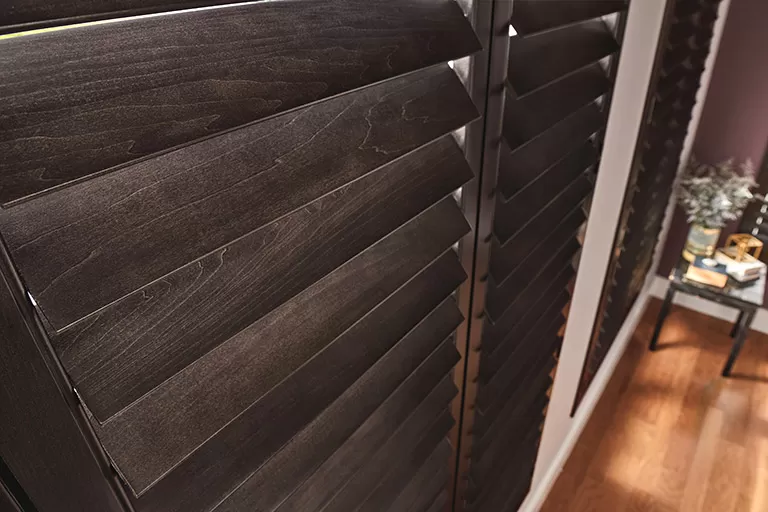
Regardless of which control system you choose, the material behind the mechanism plays the biggest role in how long your window treatments actually last, especially in Arizona's dry heat and intense sun exposure. Wood based products, for example, can be sensitive to direct sunlight over time, and our guide on wood blinds and sun exposure explains what to watch for. Shutters tend to hold up differently than blinds altogether, and if you're comparing broader options, the article on the best material for plantation shutters breaks down which materials handle Arizona conditions best.
Buyers touring a home notice window treatments more than most sellers expect. Motorized systems can be a nice selling point in higher end listings, but they're not a guaranteed value add the way certain permanent upgrades are. Plantation shutters, for instance, are widely considered a stronger investment for resale, which is covered in detail in the piece on whether plantation shutters add value to your home.
"Great quality and value for money. Installers were on time, finished the install quickly, gave us instructions on how to use. Very satisfied."